Per 100 g, Broccoli has 34 calories and 2.8 g of protein, while Cauliflower has 25 calories and 1.9 g. Cauliflower is the lighter choice, 9 kcal fewer per 100 g. Broccoli carries more protein, 0.9 g more per 100 g.
| Per 100 g | Broccoli | Cauliflower |
|---|---|---|
| Calories | 34 kcal | 25 kcal |
| Protein | 2.8 g | 1.9 g |
| Carbs | 6.6 g | 5 g |
| Fat | 0.4 g | 0.3 g |
| Fiber | 2.6 g | 2 g |
Cauliflower for fewer calories, Broccoli for more protein.
Both columns are USDA FoodData Central numbers — the same sourced data Joules logs from, rather than the crowd-sourced entries that make many trackers disagree with each other.
Per 100 g, Broccoli has 34 calories and Cauliflower has 25. Cauliflower is lower by 9 kcal. Compare per 100 g first, then scale to your actual portion.
Per 100 g, Broccoli has 2.8 g of protein and Cauliflower has 1.9 g. Broccoli has 0.9 g more.
Neither is off-limits. Fewer calories per 100 g gives you more room in a deficit, but portion size and the rest of your day matter more than the swap itself. Log whichever you actually eat and watch your daily total.
Both foods come from USDA FoodData Central (SR Legacy): FDC ID 170379 for Broccoli and 169986 for Cauliflower, taken per 100 g so the comparison is like-for-like.
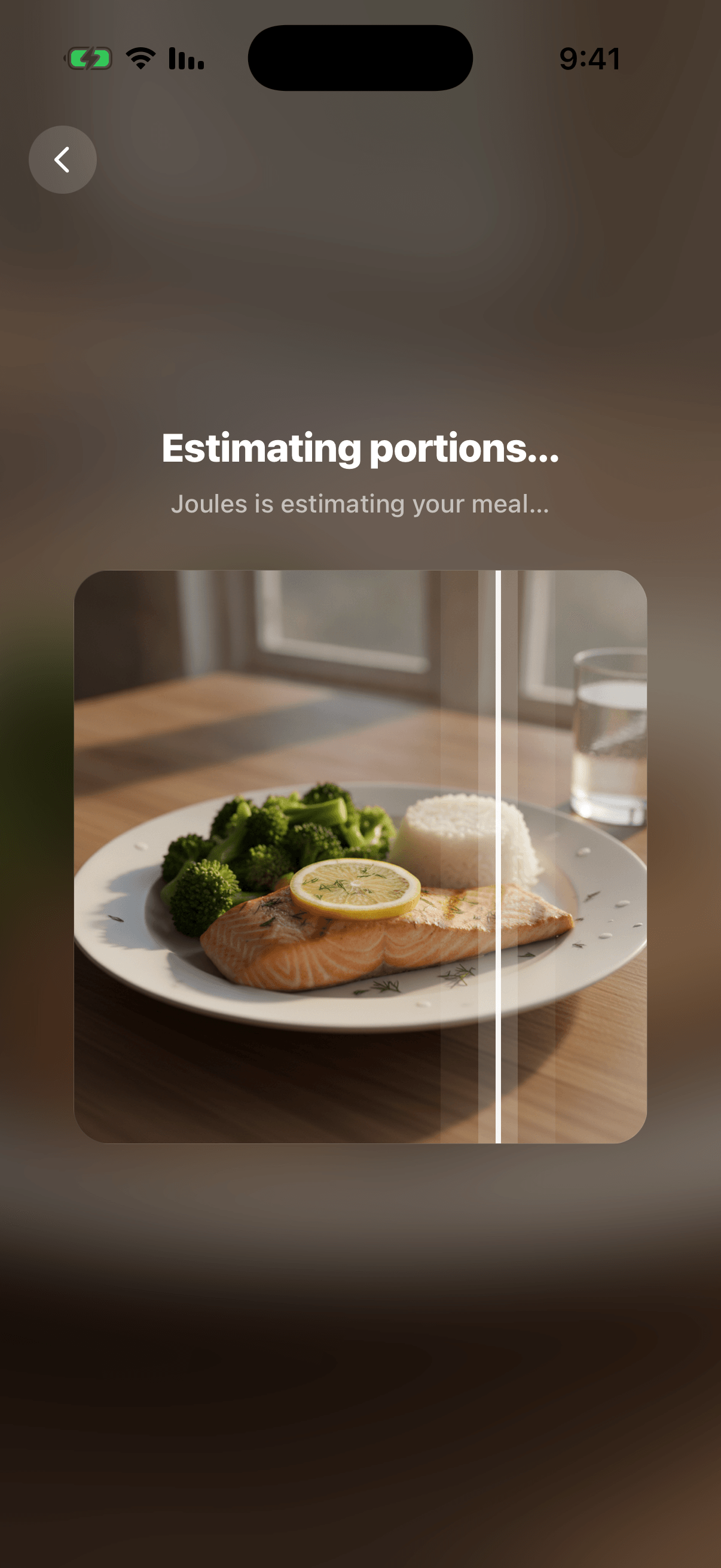
Snap a photo of Broccoli or Cauliflower in Joules and the calories and macros are logged for you — from the same USDA data.
Get JoulesA note on accuracy: calculators like this one provide estimates based on population-level formulas — your real needs vary with genetics, muscle mass, medical conditions, and more. Results are for information only and are not medical advice, a diagnosis, or a prescription. Talk to a doctor or registered dietitian before making significant changes to your diet or exercise, especially if you have a health condition, are pregnant, or are under 18.
Nutrition data: USDA FoodData Central, FDC ID 170379 · FDC ID 169986 (SR Legacy), per 100 g. Both entries are compared on the same basis.
