Joules app iconJoules

Water Intake Calculator

A daily hydration target from your body weight and training time — in milliliters, liters, and cups.

Units
Your daily water target
3.0L/day

3,049 ml · about 13 cups of 240 ml

2,699 ml
Baseline (35 ml/kg)
350 ml
Exercise add-on
13
Cups (240 ml)

Hydration slips when nobody is counting — Joules logs water next to your meals so the running total is always in view.

Get Joules

How the target is calculated

The baseline is 35 ml of water per kilogram of body weight per day, a rule of thumb used in clinical dietetics for healthy adults (published guidance ranges from 30 to 40 ml/kg). On top of that, the calculator adds 350 ml per 30 minutes of exercise to cover typical sweat losses at moderate effort.

Worked example: a 70 kg person who trains 45 minutes gets 70 × 35 = 2,450 ml, plus about 525 ml for the session — roughly 3.0 liters. Remember this is total fluid, and food already supplies 20–30% of it for most people. The glasses you pour cover the rest.

About the 8-glasses rule

"Eight 8-ounce glasses" adds up to about 1.9 liters, and its origin is murkier than its fame. The usual citation is a 1945 US Food and Nutrition Board note suggesting about 2.5 liters a day — which, in the same sentence, said most of that already comes from food. The second half fell off somewhere in transmission, and a slogan was born.

The deeper problem is that one number cannot fit a 55 kg office worker in Oslo and a 95 kg builder in Dubai. Fluid needs scale with body size, sweat, and climate, which is what a weight-based formula at least tries to respect. Treat 8 glasses as a memorable average, and this calculator's output as a starting estimate — a planning number, not a medical requirement.

Urine color beats any formula

Your body publishes its own hydration report several times a day. Pale straw-colored urine means you are fine; darker amber means drink more; completely clear all day usually means more than you need. This feedback loop beats any formula, because it already accounts for your food, your climate, and this afternoon's workout. Use the number above to plan, and urine color plus thirst to adjust. (One caveat: B vitamins and some medications tint urine bright yellow regardless.)

When you need more than the formula says

Heat and humidity raise sweat losses well past the standard add-on, and so does altitude above roughly 2,500 m. Fever, vomiting, or diarrhea drain fluid quickly. Pregnancy and breastfeeding raise needs too — around 300 and 700 ml extra per day respectively in common guidance. In those situations, and especially with heart or kidney conditions where fluid can need capping rather than raising, get a target from a clinician instead of a calculator. For everyone else: if you sweat more (the calories burned calculator gives a sense of session effort), drink more.
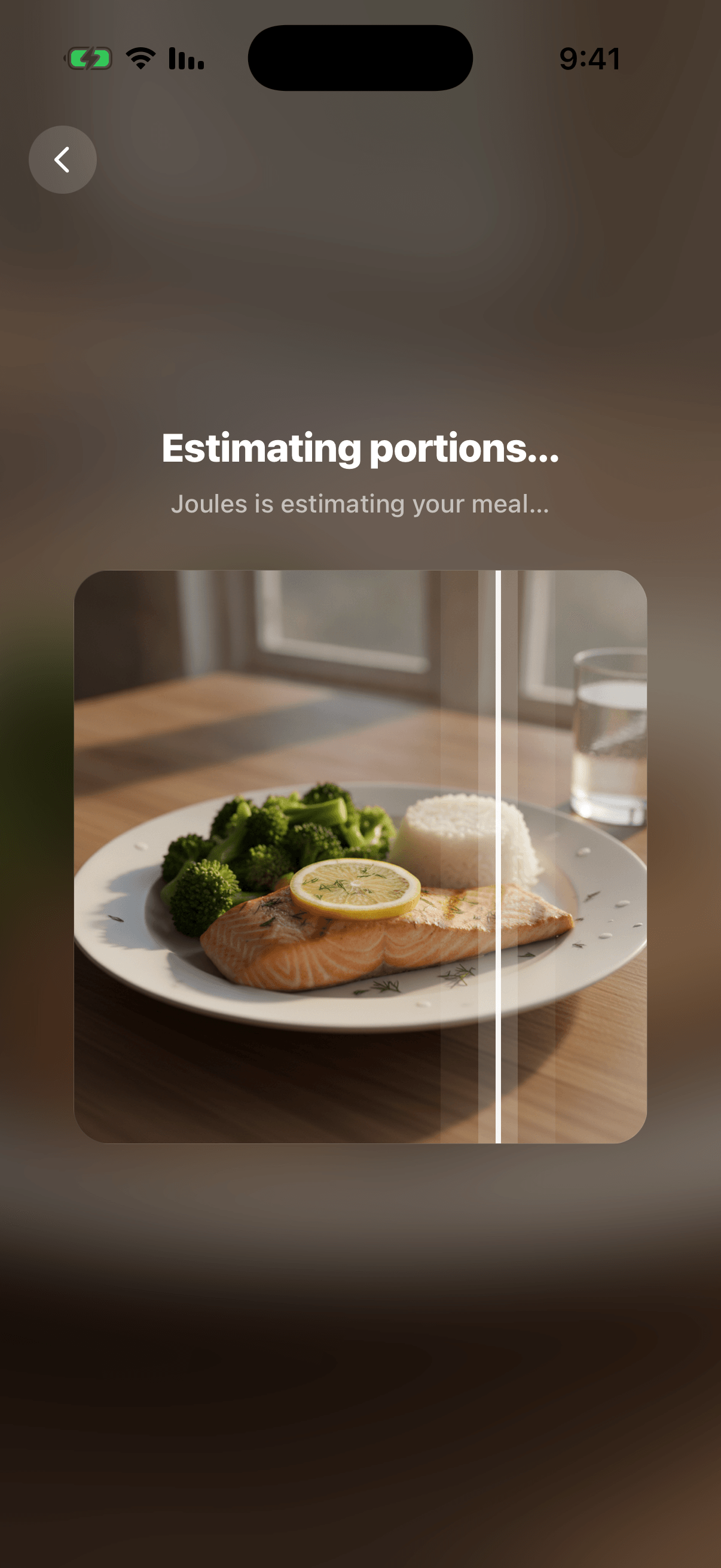
Joules AI food scan
The tracker built to be the most accurate

Everything MyFitnessPal, Cal AI and Noom do — in one calm app

Built for accuracy
  • AI reads your plate from a photo and fills in calories and macros
  • Numbers sourced from USDA FoodData Central, not crowd-sourced guesses
No paywall games
  • Barcode scanning is free — not locked behind a subscription
  • No ads, ever
One calm app, not three
  • Calorie and macro logging with a daily health score that explains itself
  • Intermittent fasting timer and weight tracking built in

Frequently asked questions

Does coffee count toward my water intake?

Yes. Caffeine is a mild diuretic, but the water in a coffee or tea outweighs the extra loss, so both hydrate on net. Controlled studies have found no meaningful hydration difference between moderate coffee drinkers and water drinkers. Alcohol is the exception that genuinely dehydrates.

Does food count toward the target?

Yes, and substantially. Roughly 20–30% of daily fluid comes from food for most people — more if you eat a lot of fruit, vegetables, or soup. Formula targets like this one describe total intake, so a produce-heavy day genuinely needs fewer glasses.

Can you drink too much water?

Yes. Drinking far beyond thirst — especially during long endurance events — can dilute blood sodium into hyponatremia, which is dangerous. Cases almost always involve several liters over a few hours while sweating out salt. Steady drinking through a normal day carries essentially no such risk.

Is 8 glasses of water a day enough?

For a smaller, sedentary person in a mild climate, 8 glasses (about 1.9 liters) is close to right. For a 90 kg person, or anyone training or in heat, it runs short against the 35 ml/kg baseline. It is a slogan that happens to land near the average — not a rule.

Should I drink before I feel thirsty?

For most healthy adults, thirst is a reliable guide and drinking to it works fine. Two groups should not wait: older adults, whose thirst signal weakens with age, and athletes in long or hot sessions, where thirst lags behind sweat loss.

Does drinking water help with weight loss?

Modestly. Water before meals adds fullness — in one 12-week trial, adults who drank 500 ml before each meal lost about 1.3 kg more than controls. The bigger effect comes from replacing sugary drinks, which removes calories outright. Your calorie target does the heavy lifting; water assists.

Related calculators

A note on accuracy: calculators like this one provide estimates based on population-level formulas — your real needs vary with genetics, muscle mass, medical conditions, and more. Results are for information only and are not medical advice, a diagnosis, or a prescription. Talk to a doctor or registered dietitian before making significant changes to your diet or exercise, especially if you have a health condition, are pregnant, or are under 18.