A typical serving of lentils (1 cup, 198 g) has about 230 calories. Per 100 g: 116 kcal, 9 g protein, 20.1 g carbs, 0.4 g fat. The same 100 g carries 7.9 g of fiber and 1.8 g of sugar. Most of the energy comes from carbohydrate.
| Serving | Weight | Calories |
|---|---|---|
| 1 cup | 198 g | 230 kcal |
| 1 tbsp | 12 g | 14 kcal |
| 100 g | 100 g | 116 kcal |
Cheap, fast-cooking protein: 9 g per 100 g cooked, plus 8 g of fiber. On the energy-density scale, 116 kcal per 100 g puts lentils at the low end. Protein density is strong: about 7.8 g of protein per 100 calories.
A typical serving (1 cup, 198 g) has about 230 calories, and 100 g has 116 kcal. Calories scale with weight, so double the portion means double the number.
There are 9 g of protein in 100 g of lentils, which works out to about 17.8 g per serving (1 cup). That is a genuinely high protein share for the calories.
There are 20.1 g of carbohydrate per 100 g of lentils, or about 40 g in 1 cup (198 g).
Every value on this page comes from USDA FoodData Central, entry 172421 (SR Legacy). Serving figures are converted from the per-100-g data, so rounding can shift a total by a calorie or two.
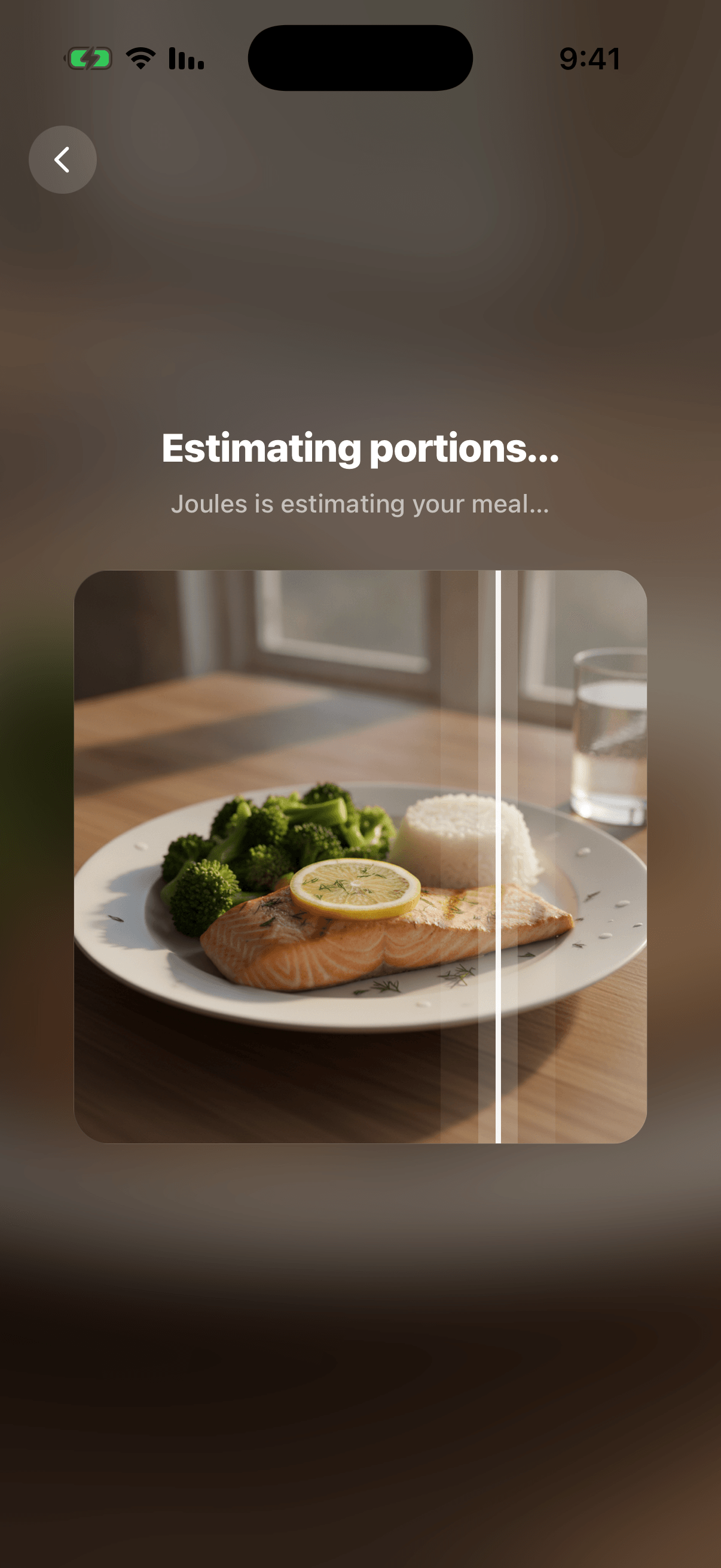
Snap a photo of your plate in Joules and the calories and macros for lentils are logged for you.
Get JoulesA note on accuracy: calculators like this one provide estimates based on population-level formulas — your real needs vary with genetics, muscle mass, medical conditions, and more. Results are for information only and are not medical advice, a diagnosis, or a prescription. Talk to a doctor or registered dietitian before making significant changes to your diet or exercise, especially if you have a health condition, are pregnant, or are under 18.
Nutrition data: USDA FoodData Central, FDC ID 172421 (SR Legacy). Serving calories are computed from the per-100-g values.
