
17 high-protein breakfast ideas that hold until lunch
Stop typing meals into a database. Snap a photo and Joules logs it — calories, macros, and a health score, in one tap.
Get Joules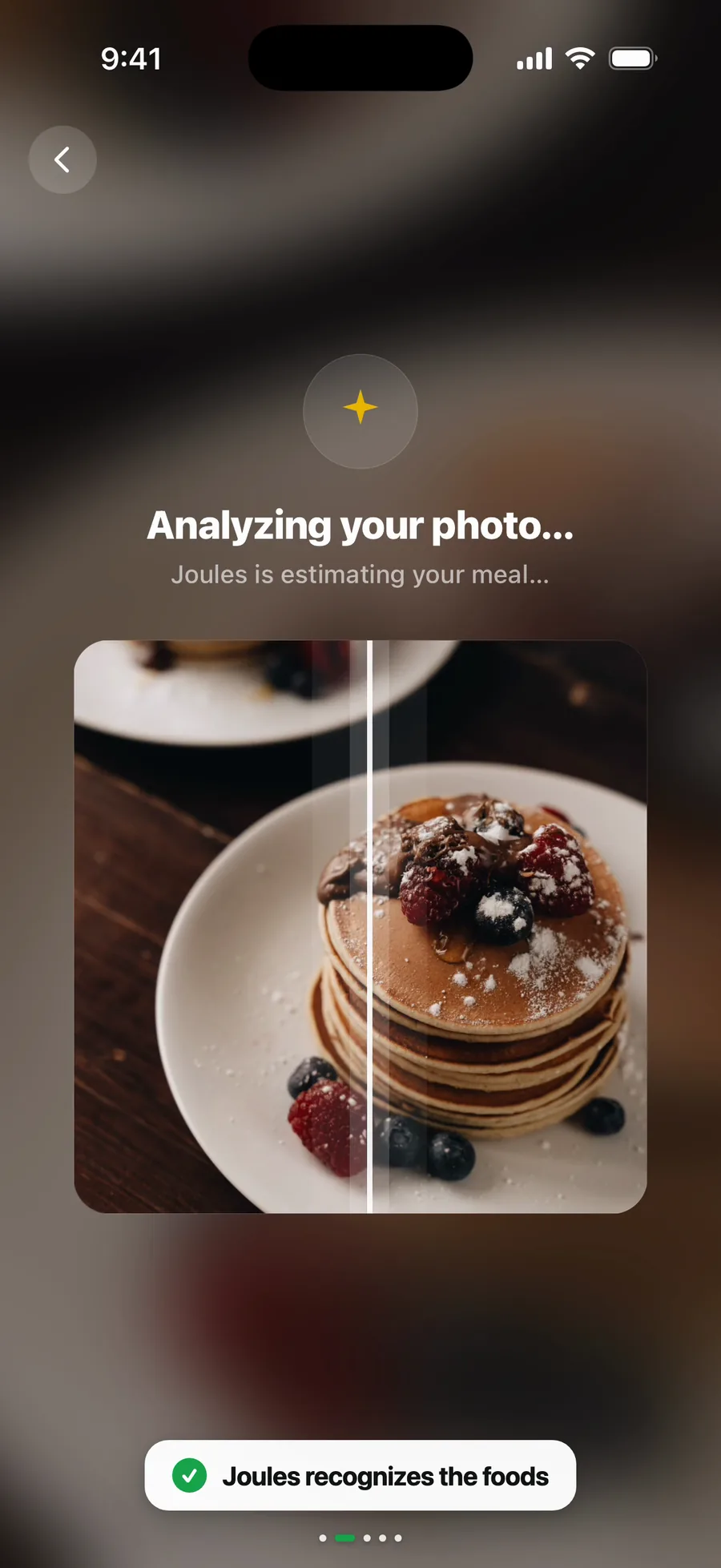
The standard breakfast is a carbohydrate delivery service in a nice bowl. Two slices of toast with jam hand you about 6 g of protein; cornflakes with milk get you to maybe 9. Nothing is wrong with either one, right up until 10:30, when your morning starts quietly negotiating for biscuits.
A commonly used per-meal figure is around 0.4 g of protein per kilogram of body weight, which lands most adults between 25 and 40 g at breakfast. Every idea below states its protein count, so you can aim at your target instead of guessing and hoping. The daily total comes first, and our protein calculator produces it in about a minute.
Five minutes or less
- Greek yogurt bowl. 300 g of 0% Greek yogurt, 40 g of granola, a handful of berries. 34 g protein, about 380 calories.
- Protein oats. 50 g of oats cooked in 250 ml of milk, a whey scoop stirred in off the heat. 38 g protein, about 430 calories.
- Cottage cheese toast. 150 g on two slices, black pepper on top. 24 g protein, about 290 calories.
- Three-egg scramble with feta. 30 g of feta melted in at the end. 23 g protein, about 300 calories, more with toast underneath.
- Skyr, banana and peanut butter. 150 g of skyr, one banana, a tablespoon of peanut butter. 21 g protein, about 295 calories.
- Kefir smoothie. 250 ml of kefir, a whey scoop, 100 g of frozen berries. 34 g protein, about 280 calories.
- Smoked salmon bagel. 50 g of salmon, 2 tablespoons of light cream cheese. 21 g protein, about 390 calories.
- Two boiled eggs and a yogurt pot. The zero-cooking commuter option. 30 g protein, about 255 calories.
- Tofu scramble on toast. 200 g of firm tofu with turmeric, two slices of toast. About 27 g protein, 350 calories, no animals involved.
Make ahead
Sunday batches that turn weekday breakfast into an act of retrieval.
- Overnight oats with skyr. 50 g of oats, 150 g of skyr, 150 ml of milk, 10 g of chia, refrigerated overnight. 29 g protein, about 410 calories a jar.
- Egg muffins. Eight eggs and 150 g of cottage cheese with spinach, baked across a 12-cup tin. Three muffins: 17 g protein, about 180 calories.
- Cottage cheese pancakes. 250 g of cottage cheese, 2 eggs and 100 g of oats, blended and cooked as two servings. 27 g protein, about 370 calories each.
- Freezer breakfast burritos. A large tortilla, two eggs, 30 g of cheddar and 60 g of black beans apiece. 30 g protein, about 530 calories, the biggest plate here.
- Chia protein pudding. 25 g of chia, half a whey scoop, 200 ml of milk, set overnight. 23 g protein, about 280 calories.
- Frittata. Six eggs, 100 g of feta and roasted vegetables, cut into quarters. Two slices: 26 g protein, about 400 calories.
- Baked oats. 100 g of oats, 2 eggs, a whey scoop and a banana, baked as two portions. 25 g protein, about 380 calories each.
- Shakshuka with a head start. Tomato-pepper base made ahead; three eggs poached in it with 30 g of feta. 23 g protein, about 380 calories.
Habits that upgrade any breakfast
- Change the base, keep the ritual. A yogurt bowl is the same effort as a cereal bowl and starts roughly 25 g ahead.
- Give the protein a co-star. Single sources stall. Two eggs alone are 13 g; two eggs with 150 g of cottage cheese are 30 g.
- Cook with milk, not water. Porridge made with 250 ml of milk gains 8 g before the toppings arrive.
- Keep whey within reach. A half scoop rescues any bowl that comes up short, for 12 g and about 60 calories.
How much protein should breakfast carry
Enough to pull its weight in the daily total. Say your target is 130 g: three meals near 30 g each, plus two snacks off our high-protein snacks list, and you land the number without any single heroic plate. Start the day at 6 g instead and lunch and dinner inherit a 124 g bill, which is exactly where those grim 400 g chicken dinners come from. The macro calculator splits the whole day if you want carbohydrate and fat settled too, and how to count macros covers the logging half. If you'd rather not do sums before coffee, Joules reads the protein off a photo of the plate and moves the macro rings for you, so breakfast either pulled its 30 g or it didn't, and you can see which.
Common questions
Is 30 g at breakfast a magic number?
No. It's a convenient share of a normal daily target, nothing more mystical than that. The daily total decides your results; the per-meal spread mostly decides how hungry you are at 11:00. If you'd rather eat 20 g at breakfast and load up at dinner, that works fine too.
Do eggs raise cholesterol?
For most healthy people, dietary cholesterol moves blood cholesterol less than we used to fear, and current dietary guidance no longer sets a hard daily cap on it. Saturated fat carries more of the effect. Responses do differ between people, so if you've got high cholesterol, diabetes or heart disease, set your egg count with your doctor or a registered dietitian, not a breakfast list on the internet.
Can I reach 30 g without eggs or dairy?
Yes, with a bit of planning. The tofu scramble above hits 27 g, and porridge made with soy milk plus a scoop of plant protein clears 30. Soy milk is the swap that matters here, at about 7 g per 250 ml, where oat and almond drinks bring a measly 1 to 2 g. Beans on two slices of toast reach about 17 g, a workable floor for an office day.
Why people switch to Joules
- ✓AI reads your plate from a photo and fills in calories and macros
- ✓Numbers sourced from USDA FoodData Central, not crowd-sourced guesses
- ✓You confirm every entry before it saves — nothing is logged blind
- ✓Barcode scanning included, free
- ✓Barcode scanning is free — not locked behind a subscription
- ✓No ads, ever
- ✓No coaching upsell to reach your daily number
- ✓Calorie and macro logging with a daily health score that explains itself
- ✓Intermittent fasting timer and weight tracking built in
- ✓Habit tracking with custom trackers and a consistency grid per habit
Snap a photo, confirm, done — logging a meal takes about a second.
Get Joules28 high-protein snacks with protein grams and calories for each: grab-and-go, fridge, sweet and salty picks, plus the cutoff we used to choose them.
What macros are, how to set protein, carb and fat targets, and how to read labels without being fooled. A plain-English guide to counting macros.
How GLP-1 appetite suppression changes a good plate: protein-first eating, foods that commonly sit badly, hydration, and when to ask your prescriber.