A typical serving of blue cheese (1 cubic inch, 17 g) has about 60 calories. Per 100 g: 353 kcal, 21.4 g protein, 2.3 g carbs, 28.7 g fat. The same 100 g carries 0.5 g of sugar. Most of the energy comes from fat.
| Serving | Weight | Calories |
|---|---|---|
| 1 cubic inch | 17 g | 60 kcal |
| 1 oz | 28 g | 100 kcal |
| 1 cup, crumbled, not packed | 135 g | 477 kcal |
| 100 g | 100 g | 353 kcal |
Strong flavor is an advantage: a small crumble goes further than mild cheese. On the energy-density scale, 353 kcal per 100 g puts blue cheese at the high end. Protein density is strong: about 6.1 g of protein per 100 calories.
A typical serving (1 cubic inch, 17 g) has about 60 calories, and 100 g has 353 kcal. Calories scale with weight, so double the portion means double the number.
There are 21.4 g of protein in 100 g of blue cheese, which works out to about 3.6 g per serving (1 cubic inch). It contributes meaningful protein, though most of the calories come from elsewhere.
Yes, in the plain arithmetic sense: 28.7 g of fat per 100 g supplies about 73% of the calories. Whether that fits your day depends on your totals, not on the food alone.
Every value on this page comes from USDA FoodData Central, entry 172175 (SR Legacy). Serving figures are converted from the per-100-g data, so rounding can shift a total by a calorie or two.
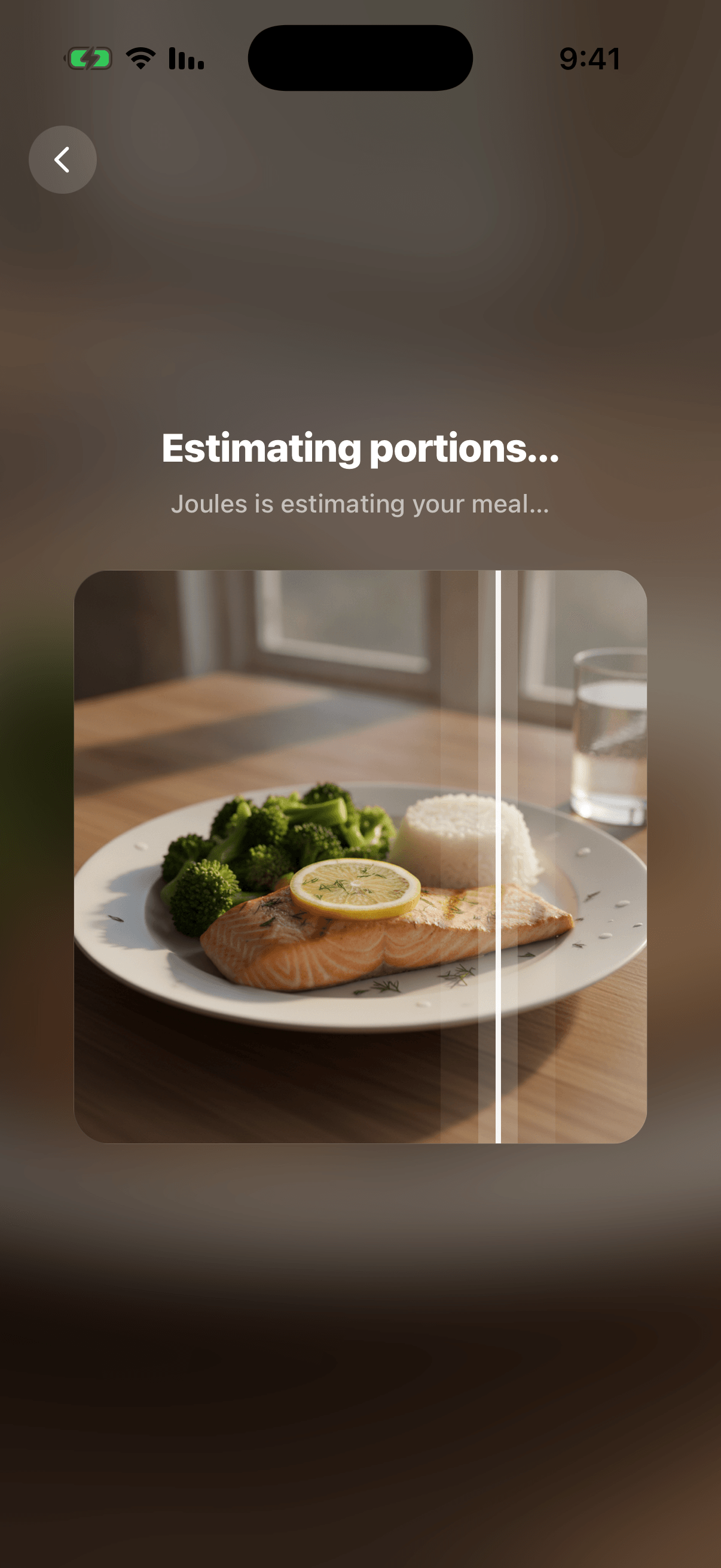
Snap a photo of your plate in Joules and the calories and macros for blue cheese are logged for you.
Get JoulesA note on accuracy: calculators like this one provide estimates based on population-level formulas — your real needs vary with genetics, muscle mass, medical conditions, and more. Results are for information only and are not medical advice, a diagnosis, or a prescription. Talk to a doctor or registered dietitian before making significant changes to your diet or exercise, especially if you have a health condition, are pregnant, or are under 18.
Nutrition data: USDA FoodData Central, FDC ID 172175 (SR Legacy). Serving calories are computed from the per-100-g values.
