A typical serving of diet soda (1 can (12 fl oz), 355 g) has about 4 calories. Per 100 g: 1 kcal, 0.1 g protein, 0.1 g carbs, 0 g fat. Portions scale in a straight line, so half the weight means half the calories. In a daily log it contributes close to nothing.
| Serving | Weight | Calories |
|---|---|---|
| 1 can (12 fl oz) | 355 g | 4 kcal |
| 100 g | 100 g | 1 kcal |
Sweetened without sugar, a can of diet cola rounds to about 4 calories. On the energy-density scale, 1 kcal per 100 g puts diet soda at the very low end. Protein density is strong: about 10.0 g of protein per 100 calories.
A typical serving (1 can (12 fl oz), 355 g) has about 4 calories, and 100 g has 1 kcal. Calories scale with weight, so double the portion means double the number.
There are 0.1 g of protein in 100 g of diet soda, which works out to about 0.4 g per serving (1 can). Treat it as an energy source rather than a protein source.
Yes. Carbohydrate is 0.1 g per 100 g, effectively nothing, so almost all the calories come from protein and fat.
Every value on this page comes from USDA FoodData Central, entry 174850 (SR Legacy). Serving figures are converted from the per-100-g data, so rounding can shift a total by a calorie or two.
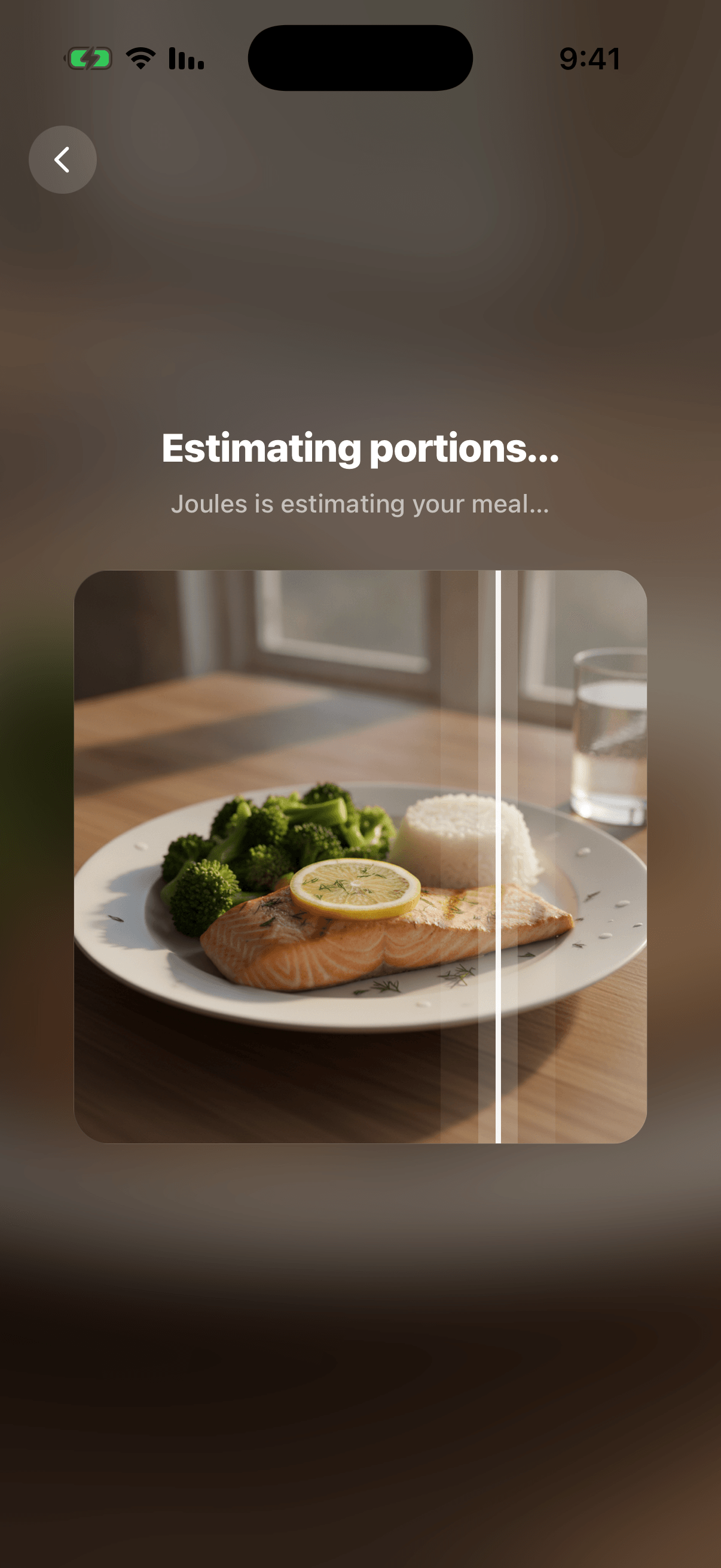
Snap a photo of your plate in Joules and the calories and macros for diet soda are logged for you.
Get JoulesA note on accuracy: calculators like this one provide estimates based on population-level formulas — your real needs vary with genetics, muscle mass, medical conditions, and more. Results are for information only and are not medical advice, a diagnosis, or a prescription. Talk to a doctor or registered dietitian before making significant changes to your diet or exercise, especially if you have a health condition, are pregnant, or are under 18.
Nutrition data: USDA FoodData Central, FDC ID 174850 (SR Legacy). Serving calories are computed from the per-100-g values.
