Joules app iconJoules

Sleep Calculator

Find the best time to go to bed or wake up by working in 90-minute sleep cycles, so you wake at the end of a cycle rather than in the middle of one.

I want to

Based on 90-minute sleep cycles, plus about 15 minutes to fall asleep. Aim for five or six full cycles.

Best time to fall asleep
9:45 PM

To wake at 7:00 AM feeling rested

9:45 PM
6 cycles · 9 h · ideal
11:15 PM
5 cycles · 7.5 h · ideal
12:45 AM
4 cycles · 6 h
2:15 AM
3 cycles · 4.5 h

Waking at the end of a cycle, in light sleep, feels easier than waking mid-cycle. The 90-minute figure is an average, so treat these as close targets rather than exact times.

Sleep drives appetite and recovery. Track your day in Joules and see how rest lines up with the days you hit your targets.

Get Joules

How sleep cycles work

Sleep runs in repeating cycles that move from light sleep into deep sleep and then into REM, the dreaming stage. A full cycle averages about 90 minutes, though it ranges from roughly 70 to 120 minutes and shifts through the night, with more deep sleep early and more REM toward morning. Over a night you move through four to six of these cycles.

The end of each cycle is the natural waking point. You are in light sleep there, so an alarm feels less jarring than one that drags you out of deep sleep. That is the whole idea behind timing sleep in 90-minute blocks: land your alarm at a cycle boundary rather than the middle of one.

How this sleep calculator works

The math is simple counting in 90-minute steps:

Five or six cycles gives most adults the 7.5 to 9 hours they need, which is why those two options are marked as ideal. The 90-minute and 15-minute figures are population averages drawn from sleep research and guidance such as the National Sleep Foundation, so your own cycle length may differ by a little.

How much sleep you actually need

Age groupRecommended sleepCycles
Teenagers (14–17)8 – 10 hoursabout 6
Adults (18–64)7 – 9 hours5 – 6
Older adults (65+)7 – 8 hoursabout 5

These bands come from the National Sleep Foundation consensus. Where you fall inside your range is individual. The honest test is daytime alertness: if you wake without an alarm and stay sharp through the afternoon, you are probably getting enough.

Getting more from the number

Cycle timing helps at the margins, but regularity does the heavy lifting. Going to bed and waking at the same times every day, weekends included, keeps your body clock steady and makes falling asleep faster. A dark, cool room and no screens in the last hour move the needle more than shaving a few minutes off a cycle.

Sleep also feeds into the rest of your health. Short nights raise appetite hormones and make a calorie target harder to hold, so rest and nutrition pull in the same direction. If you are tracking intake, the TDEE calculator sets your daily energy needs, and logging meals is easier on the days you are well rested.
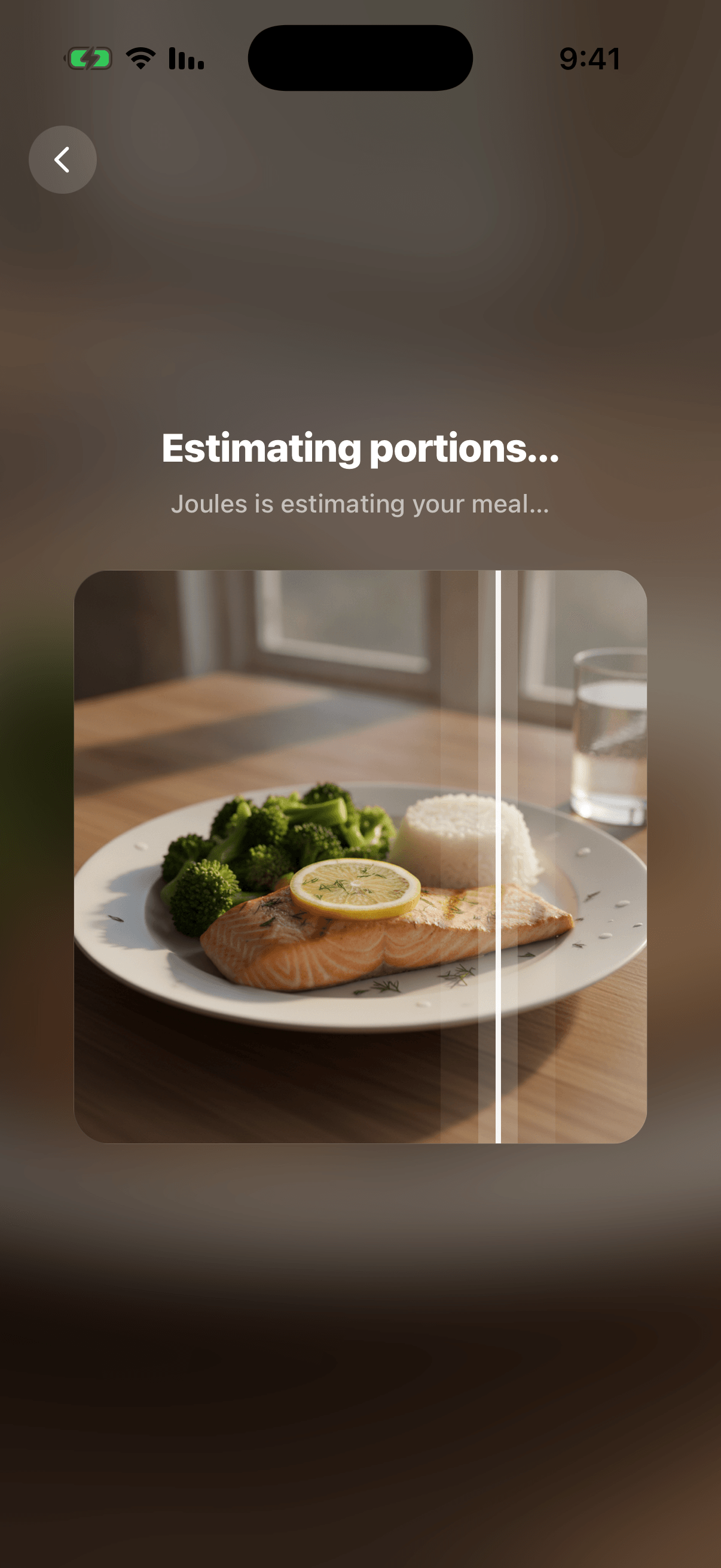
Joules AI food scan
The tracker built to be the most accurate

Everything MyFitnessPal, Cal AI and Noom do — in one calm app

Built for accuracy
  • AI reads your plate from a photo and fills in calories and macros
  • Numbers sourced from USDA FoodData Central, not crowd-sourced guesses
No paywall games
  • Barcode scanning is free — not locked behind a subscription
  • No ads, ever
One calm app, not three
  • Calorie and macro logging with a daily health score that explains itself
  • Intermittent fasting timer and weight tracking built in

Frequently asked questions

How does the sleep cycle calculator work?

It counts in 90-minute blocks. One sleep cycle averages about 90 minutes, and most people take around 15 minutes to fall asleep, so that gets added before the first cycle. Waking at the end of a cycle, when sleep is lightest, tends to feel easier than waking mid-cycle.

How many hours of sleep do I need?

Most adults need 7 to 9 hours, which is five or six full cycles. Teenagers need more, around 8 to 10 hours. The right number within that range is personal — judge it by how alert you feel through the day rather than by a single target.

Is it better to wake up at the end of a sleep cycle?

Usually. At the end of a cycle you are in light sleep, so waking then feels less groggy than being pulled out of deep sleep partway through. The 90-minute figure is an average, so real cycles vary — treat the times as close targets, not exact promises.

Why do I feel tired after 8 hours of sleep?

Timing and quality matter as much as total hours. Waking mid-cycle, an irregular schedule, alcohol, late screens, or broken sleep can all leave you groggy despite eight hours. Sleep debt from earlier in the week carries over too. Consistent bed and wake times help more than one long night.

What time should I go to bed to wake up at 6am?

To wake at 6am after five cycles, aim to fall asleep around 10:45pm, so get into bed a little before then. Six cycles points to about 9:15pm. Enter your wake time above and the calculator lists the bedtimes that land you at the end of a cycle.

Does sleep affect weight and appetite?

It does. Short sleep raises the hunger hormone ghrelin and lowers leptin, which increases appetite the next day. Consistent sleep makes sticking to a calorie target noticeably easier.

Related calculators

A note on accuracy: calculators like this one provide estimates based on population-level formulas — your real needs vary with genetics, muscle mass, medical conditions, and more. Results are for information only and are not medical advice, a diagnosis, or a prescription. Talk to a doctor or registered dietitian before making significant changes to your diet or exercise, especially if you have a health condition, are pregnant, or are under 18.