Joules app iconJoules

Calories Burned Calculator

Estimate the calories you burn in any workout, from your body weight, the activity, and how long you kept it up.

الوحدات
Estimated calories burned
336kcal

Running (8 km/h · 12 min/mile) · 8.3 MET · about 11.2 kcal per minute

336 kcal
Per 30 minutes
17%
Of a 2,000-kcal day

Burning it is half the story — log what you eat in Joules and see whether the day actually nets out where you want.

احصل على Joules

How the calculator works

Every activity here has a MET value — a metabolic equivalent. One MET is the energy you burn sitting still. An activity rated 8 MET costs eight times that. The values come from the Compendium of Physical Activities, the reference database researchers have maintained since 1993.

The formula that turns a MET value into calories is:

Worked example: a 70 kg person running at 8 km/h (8.3 MET) burns 8.3 × 3.5 × 70 ÷ 200 = 10.2 kcal per minute, or about 305 kcal in 30 minutes. The same run at 100 kg costs about 436 kcal. Weight is inside the formula because moving more mass takes more energy — this is also why the number drops as you lose weight.

Calories per 30 minutes at 70 kg

ActivityMETkcal / 30 min
Yoga (hatha)2.592
Walking (casual)3.5129
Weightlifting (general)3.5129
Brisk walking4.3158
Elliptical (moderate)5.0184
Hiking5.3195
Dancing5.5202
Swimming (leisurely)5.8213
Basketball6.5239
Rowing machine7.0257
Soccer (casual)7.0257
Cycling (moderate)7.5276
HIIT / circuits8.0294
Running (8 km/h)8.3305
Running (10 km/h)9.8360

You cannot outrun a bad diet

The table above deserves a sober reading. Thirty minutes of running, a genuinely hard session for most people, burns about 305 kcal at 70 kg. A coffee-shop muffin is 400. One chocolate bar undoes a swim. This is not an argument against exercise; it is an argument about where deficits come from.

A 500-kcal daily deficit built from food is a smaller dinner and no dessert. The same deficit built from exercise alone is roughly an hour of hard running, every single day. Food is simply the easier lever. Exercise still earns its keep — it preserves muscle while you diet, improves the health markers that matter, and raises the daily burn — but it works best as a partner to a food deficit, not a substitute for one. The calorie deficit calculator plans the food side.

One warning about double counting

If your daily calorie target came from a TDEE calculationwith an activity level of "moderately active" or higher, your workouts are already inside the target. Adding tonight's spin class on top counts it twice, and twice-counted exercise is the quietest way to erase a deficit. Use this calculator to understand what activities cost, or to log workouts when your target assumes a sedentary baseline. For everyday movement rather than workouts, the steps to calories calculator covers the walking you do anyway.

How rough are these numbers?

MET values are averages measured across groups of people. Your movement economy, fitness level, and terrain all pull the real figure up or down, so treat any single result as a band of roughly ±10–20% rather than a precise count. That sounds bad until you remember the alternative: wearables tested at Stanford in 2017 missed energy expenditure by 27–93%. The practical move is to pick one consistent method, use it for every workout, and watch the trend rather than the digits.

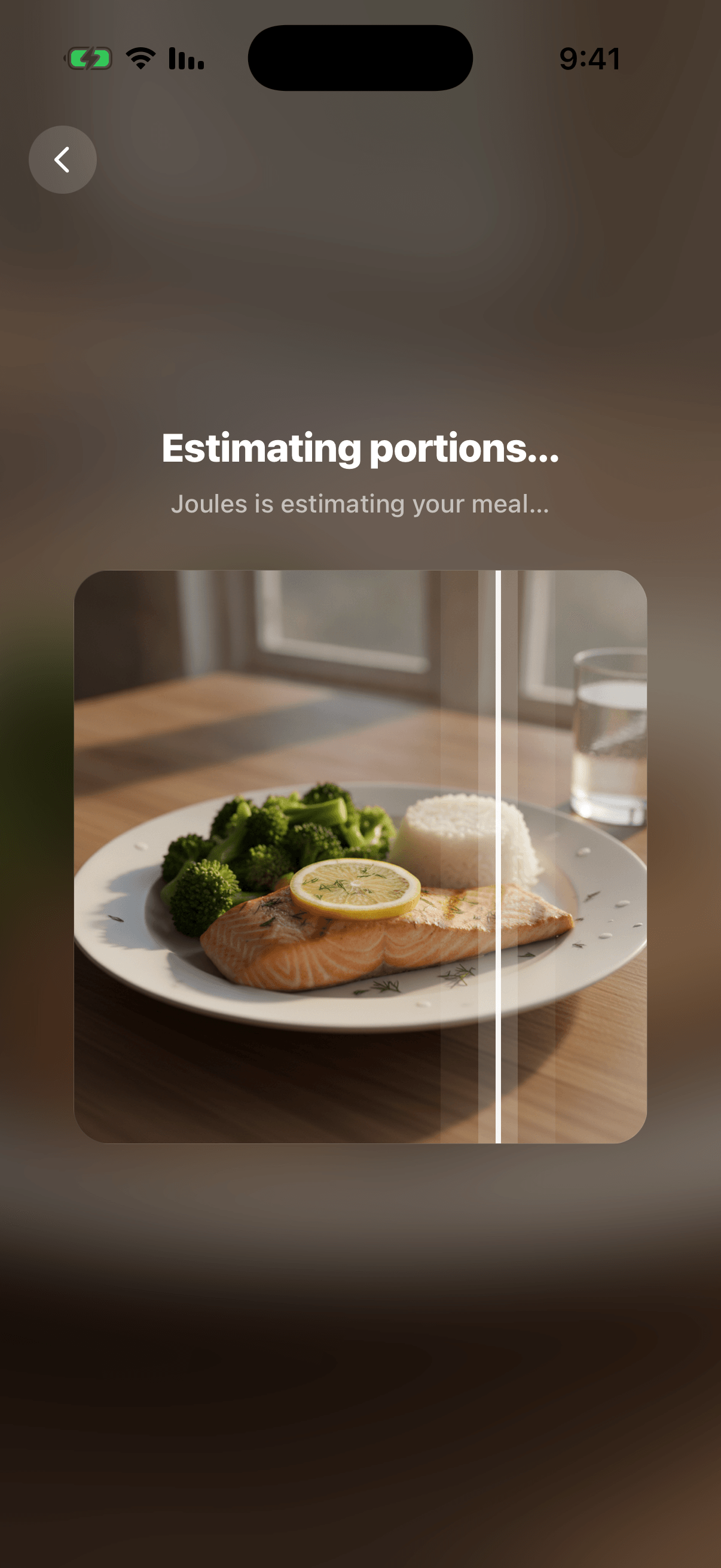
Joules AI food scan
المتتبّع المصمَّم ليكون الأدقّ

كل ما تفعله MyFitnessPal وCal AI وNoom — في تطبيق واحد هادئ

مصمَّم للدقة
  • الذكاء الاصطناعي يقرأ طبقك من صورة ويملأ السعرات والماكروز
  • الأرقام مصدرها USDA FoodData Central، لا تخمينات المستخدمين
بلا ألاعيب الاشتراك المدفوع
  • مسح الباركود مجاني — غير محجوب خلف اشتراك
  • بلا إعلانات، أبدًا
تطبيق واحد هادئ، لا ثلاثة
  • تسجيل السعرات والماكروز مع درجة صحية يومية تشرح نفسها
  • مؤقّت صيام متقطّع وتتبّع للوزن مدمجان

الأسئلة الشائعة

Which exercise burns the most calories?

Per minute, running leads this list: 10 km/h costs 9.8 MET, which is about 515 kcal per hour for a 75 kg person. HIIT and moderate cycling sit close behind. But the honest answer is whichever exercise you will repeat four times a week. A daily 40-minute walk beats a weekly heroic run.

Do heavier people burn more calories doing the same exercise?

Yes, roughly in proportion to body weight, because moving more mass costs more energy. A 60 kg person walking briskly for 30 minutes burns about 135 kcal; a 90 kg person burns about 203 kcal on the same walk. That is why this calculator asks for your weight first.

Why does my smartwatch show a different number?

Watches estimate from heart rate and motion, and each adds its own error. A 2017 Stanford study of seven popular wearables found energy-expenditure errors ranging from 27% to 93%. MET-based estimates carry error too, but they are consistent from day to day — and for tracking a trend, consistency matters more than being exactly right.

Does lifting weights keep burning calories afterward?

The afterburn effect (EPOC) is real but small. Studies put it at roughly 6–15% of the calories burned during the session, fading over several hours. A workout that burns 250 kcal might add 15–40 kcal afterward. Lifting earns its place by building muscle, not through afterburn.

Should I eat back the calories I burn exercising?

Usually not, and here is why: if your daily target came from a TDEE calculation that included your activity level, your workouts are already counted. Eating them back counts them twice. Only add exercise calories on top if your target assumed a sedentary day.

How many calories does a 30-minute workout burn?

For a 70 kg person, anywhere from about 92 kcal (yoga) to about 360 kcal (running at 10 km/h). Most gym sessions land between 130 and 300 kcal per half hour. Your body weight shifts the whole range up or down, which is what the calculator above works out.

حاسبات ذات صلة

ملاحظة حول الدقة: الحاسبات كهذه تقدم تقديرات مبنية على معادلات سكانية عامة — أما احتياجاتك الفعلية فتختلف بحسب الجينات والكتلة العضلية والحالات الصحية وغيرها. النتائج للاسترشاد فقط وليست نصيحة طبية ولا تشخيصًا ولا وصفة علاجية. استشر طبيبًا أو أخصائي تغذية معتمدًا قبل إجراء تغييرات كبيرة على غذائك أو تمارينك، خصوصًا إن كانت لديك حالة صحية، أو كنتِ حاملًا، أو كان عمرك أقل من 18 عامًا.