Joules app iconJoules

Waist-to-Hip Ratio Calculator

Divide your waist measurement by your hip measurement to get a ratio the World Health Organization links to health risk. Measure both in the same unit and the ratio comes out the same.

Unidades
Sexo

Measure the waist at its narrowest point and the hips at the widest. Use the same unit for both.

Waist-to-hip ratio
0.90

Moderate risk band by the WHO thresholds

WHO risk bands (men)

Risk bandWaist-to-hip ratio
LowBelow 0.90
Moderate (your result)0.90 – 0.99
High1.00 and above

The WHO links a higher ratio to greater risk across a population. It is not a personal diagnosis.

Waist size tracks abdominal fat, which moves with what you eat. Log meals in Joules to trend it down.

Descarga Joules

What the ratio measures

Waist-to-hip ratio (WHR) divides your waist circumference by your hip circumference. A higher number means more of your weight sits around the middle. That matters because abdominal fat is linked to heart disease and type 2 diabetes more closely than fat stored on the hips and thighs. The ratio is a fast, tape-only way to flag that pattern.

Because both measurements share a unit, the unit divides out. A waist and hip measured in inches give the same ratio as the same body measured in centimeters, so you can use whichever tape you own.

The WHO risk bands

The thresholds here come from the World Health Organization report Waist Circumference and Waist–Hip Ratio: Report of a WHO Expert Consultation (2008). The WHO calls the top band substantially increased risk. Read these as a population association, not a diagnosis: they describe average risk across groups, and any one person can sit outside the pattern.

Risk bandMenWomen
LowBelow 0.90Below 0.80
Moderate0.90 – 0.990.80 – 0.84
High1.00 and above0.85 and above

How to measure accurately

A sloppy tape moves the ratio more than any real change in your body, so measure with care:

What to do with the number

A raised ratio is a prompt to look closer, not a verdict. Pair it with a weight-status check from the BMI calculator and a composition estimate from the body fat calculator. If you want a tape-based body fat figure that also uses the waist, the Navy body fat calculator works from the same measurements. If your ratio sits in a higher band, it is worth raising with a doctor.

Joules AI food scan
El rastreador creado para ser el más preciso

Todo lo que hacen MyFitnessPal, Cal AI y Noom — en una sola app tranquila

Diseñado para la precisión
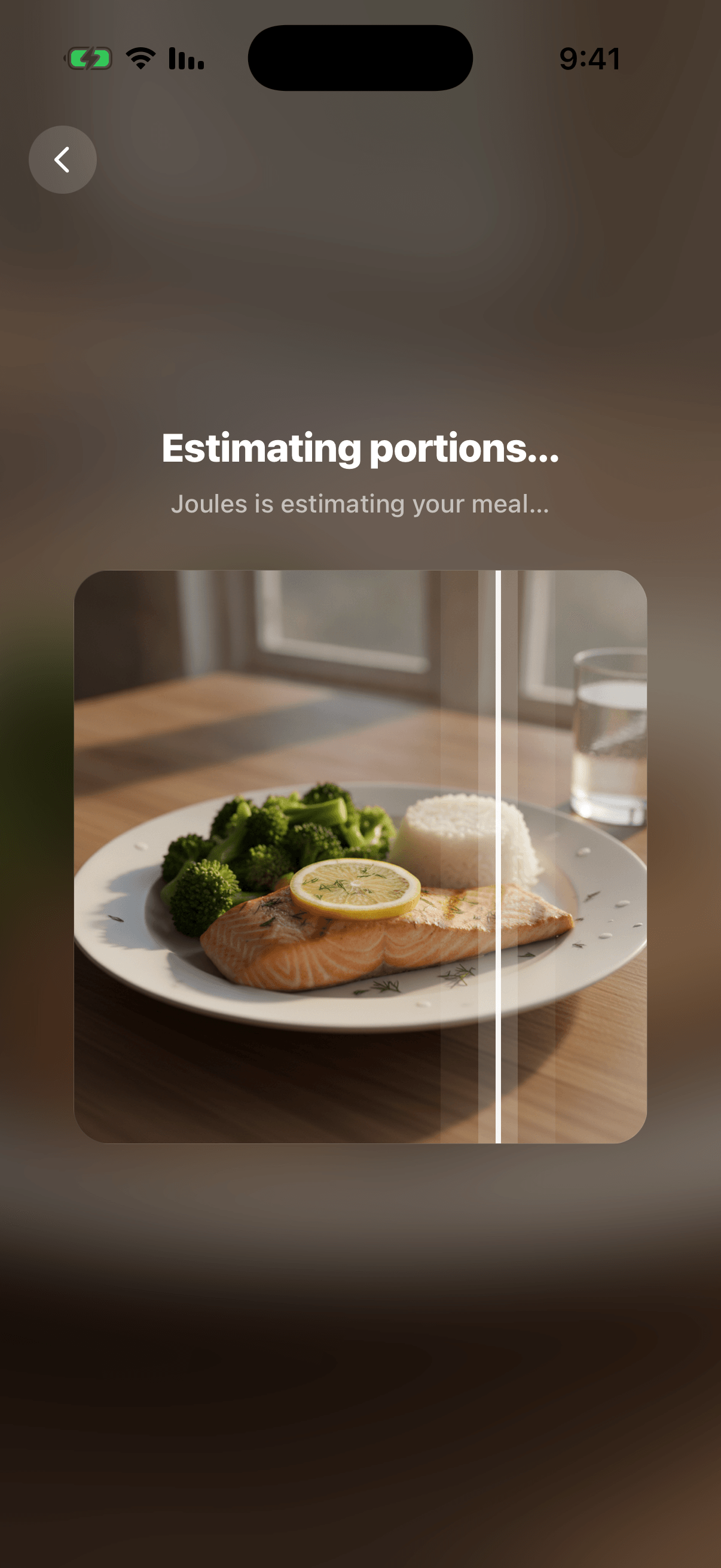
  • La IA lee tu plato desde una foto y completa las calorías y los macros
  • Cifras tomadas de USDA FoodData Central, no de conjeturas de usuarios
Sin juegos de muro de pago
  • El escaneo de códigos de barras es gratis — no está bloqueado tras una suscripción
  • Sin anuncios, nunca
Una sola app tranquila, no tres
  • Registro de calorías y macros con una puntuación de salud diaria que se explica sola
  • Temporizador de ayuno intermitente y seguimiento del peso integrados

Preguntas frecuentes

What is a healthy waist-to-hip ratio?

The WHO puts substantially raised risk at 0.90 or above for men and 0.85 or above for women. Below those figures the ratio sits in a lower-risk band. These are population thresholds, not a personal diagnosis.

How do I measure my waist and hips?

Measure your waist at its narrowest point, usually just above the navel, and your hips at the widest point of the buttocks. Keep the tape level and snug without pressing in, and breathe out normally. Use the same unit for both.

Why does waist-to-hip ratio matter?

Fat carried around the abdomen is more strongly linked to heart disease and type 2 diabetes than fat on the hips and thighs. The ratio is a quick proxy for that pattern. The WHO expert consultation in 2008 found it predicts risk better than weight alone.

Is waist-to-hip ratio better than BMI?

They answer different questions. BMI compares weight to height; waist-to-hip ratio describes where fat sits. Someone can have a normal BMI and still carry excess abdominal fat. Many researchers use the two together. You can check the first with the BMI calculator.

Does the unit matter, inches or centimeters?

No. Because you divide one measurement by another in the same unit, the unit cancels out. A 34-inch waist and 40-inch hip give 0.85, and so do 86 cm and 101 cm.

Can I lower my waist-to-hip ratio?

Often yes. Losing abdominal fat through a modest calorie deficit and regular activity tends to shrink the waist faster than the hips, which lowers the ratio. Progress is gradual. The body fat calculator gives a fuller picture of composition.

Calculadoras relacionadas

Una nota sobre la precisión: las calculadoras como esta dan estimaciones basadas en fórmulas poblacionales — tus necesidades reales varían según la genética, la masa muscular, las condiciones médicas y más. Los resultados son solo informativos y no constituyen consejo médico, diagnóstico ni prescripción. Habla con un médico o con un nutricionista certificado antes de hacer cambios importantes en tu dieta o ejercicio, sobre todo si tienes una condición de salud, estás embarazada o eres menor de 18 años.