Joules app iconJoules

Blood Alcohol Calculator (BAC)

Estimate blood alcohol concentration with the Widmark equation from your weight, sex, number of standard drinks, and the hours since your first drink. This is an educational estimate only.

الوحدات
الجنس

One US standard drink is 14 g of pure alcohol: a 12 oz beer at 5%, a 5 oz glass of wine at 12%, or a 1.5 oz shot of spirits at 40%.

Estimated BAC
0.050%

0.08% is the legal driving limit in the US and many countries.

Estimate only. Real blood alcohol varies with food, medication, health, hydration, and individual metabolism, and this can be far from your true level. Never use it to decide whether to drive. If you have been drinking, do not drive.

Common BAC reference points

BACCommonly noted as
0.02%Lowest commonly measured level
0.05%Legal driving limit in many countries
0.08%Legal driving limit in the US
0.15%Well above common legal limits

Alcohol carries calories your tracker usually misses. Log drinks in Joules and the day's real energy total stays honest.

احصل على Joules

What this calculator does

This blood alcohol calculator gives an educational estimate of blood alcohol concentration (BAC) using the Widmark equation, first published by the Swedish scientist Erik Widmark in 1932. You enter your weight, sex, how many US standard drinks you have had, and the hours since your first drink, and it returns an approximate percentage. It is a teaching tool for understanding how those inputs move the number, nothing more.

Never use this estimate to decide whether to drive. Real blood alcohol varies widely between people, and the figure here can be far from your true level. If you have been drinking, do not drive.

How the Widmark equation works

Widmark modelled BAC as the alcohol you have consumed spread through the water in your body, minus what your liver has already cleared. Each US standard drink is counted as 14 grams of alcohol. That total is divided by your body water, estimated as 0.68 of body weight for men and 0.55 for women, and then reduced by about 0.015 percent for each hour that has passed. The result is why a smaller person, or someone who drinks the same amount in less time, reaches a higher estimate.

Why the estimate is only an estimate

The equation assumes an average body and steady drinking, so it cannot capture the things that change real BAC. Food slows absorption. Medication, illness, hydration, and liver function all shift the result. Individual metabolism varies from person to person, and even the same person differs from day to day. Treat the number as a rough illustration, and never as a measurement you would act on.

Legal limits and staying safe

Legal driving limits are not universal. The US and many countries use 0.08 percent, others use 0.05 percent or lower, and some apply a zero limit to new or commercial drivers. This tool is not a legal reference, and it cannot tell you whether you are within any limit. The only reliable choice after drinking is to not drive at all and to arrange another way home.

Alcohol and your daily calories

Alcohol also carries energy that most food logs overlook, at about 7 calories per gram. A few drinks can add several hundred calories to a day without touching your meals. If you are tracking intake, the calorie calculator sets your daily target, and you can browse the full set on the calculators hub.

Joules AI food scan
المتتبّع المصمَّم ليكون الأدقّ

كل ما تفعله MyFitnessPal وCal AI وNoom — في تطبيق واحد هادئ

مصمَّم للدقة
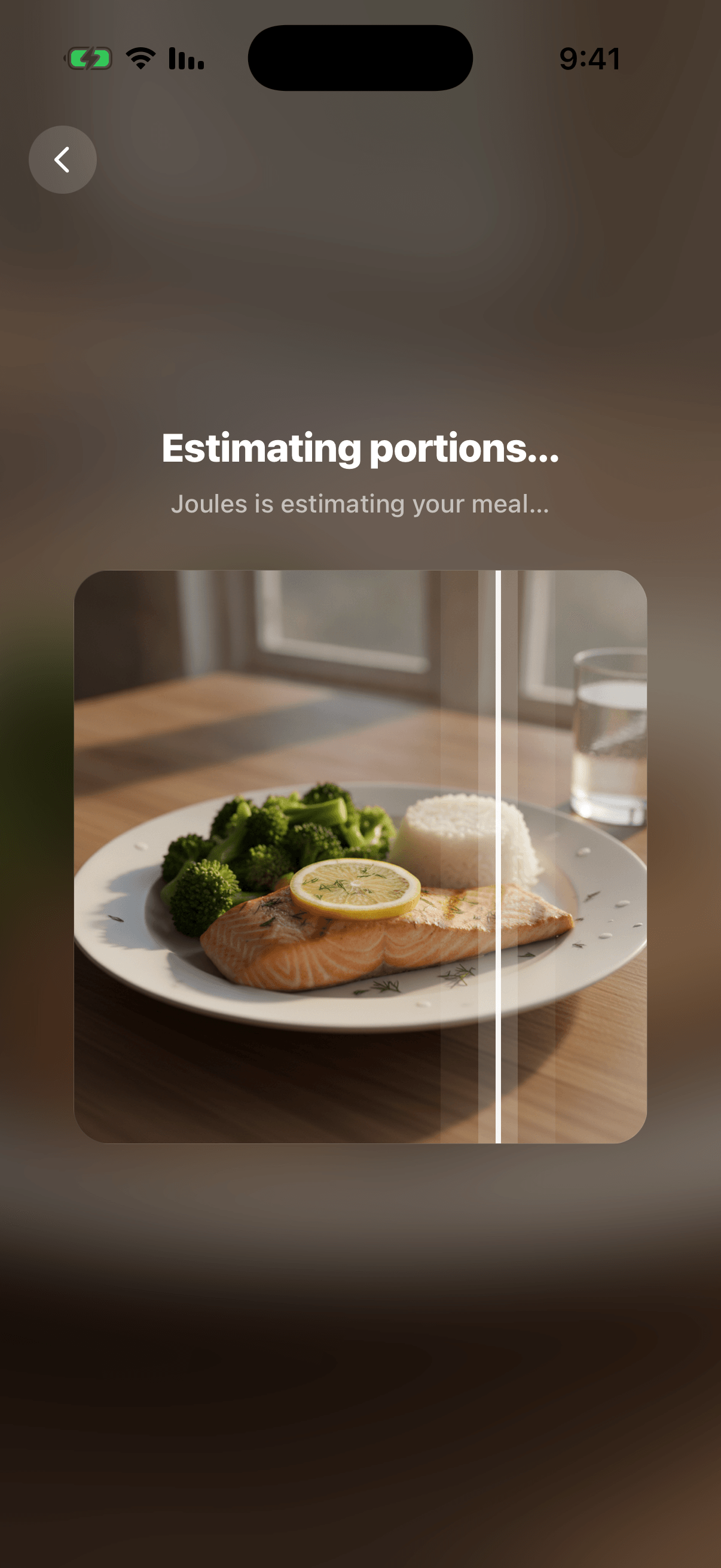
  • الذكاء الاصطناعي يقرأ طبقك من صورة ويملأ السعرات والماكروز
  • الأرقام مصدرها USDA FoodData Central، لا تخمينات المستخدمين
بلا ألاعيب الاشتراك المدفوع
  • مسح الباركود مجاني — غير محجوب خلف اشتراك
  • بلا إعلانات، أبدًا
تطبيق واحد هادئ، لا ثلاثة
  • تسجيل السعرات والماكروز مع درجة صحية يومية تشرح نفسها
  • مؤقّت صيام متقطّع وتتبّع للوزن مدمجان

الأسئلة الشائعة

How is BAC calculated here?

The tool uses the Widmark equation from 1932. It multiplies your standard drinks by 14 grams of alcohol each, divides by your body water (a factor of 0.68 for men and 0.55 for women times your weight), and subtracts roughly 0.015 percent for every hour since your first drink. The output is a percentage estimate, not a measured reading.

What counts as one standard drink?

In the US, one standard drink contains about 14 grams of pure alcohol. That is roughly a 12 oz beer at 5 percent, a 5 oz glass of wine at 12 percent, or a 1.5 oz shot of spirits at 40 percent. Cocktails and large pours often contain more than one, which raises the estimate quickly.

Can I use this to decide whether I am safe to drive?

No. This is an educational estimate and can be far from your real blood alcohol. Never use it to decide whether to drive. If you have been drinking, do not drive; use a taxi, a rideshare, public transport, or a sober driver instead.

Why can the estimate be so far from my real BAC?

The Widmark equation assumes an average body. Your real level shifts with food in your stomach, medication, hydration, liver health, drinking pace, and individual metabolism. Two people who drink the same amount can end up at very different levels, so the figure here is a rough guide rather than a personal measurement.

How long does it take for alcohol to leave your system?

On average the body clears about 0.015 percent of BAC per hour, and it cannot be sped up by coffee, cold showers, or exercise. Only time lowers the level. Because the clearance rate is an average, some people process alcohol faster or slower, which is another reason to treat the estimate cautiously.

What are the legal BAC limits?

Legal driving limits differ by country and by state. The limit is 0.08 percent in the US and many other countries, while a number of countries set it at 0.05 percent or lower, and some require zero for new or professional drivers. Check the rules where you are, and remember this tool is not a legal reference.

حاسبات ذات صلة

ملاحظة حول الدقة: الحاسبات كهذه تقدم تقديرات مبنية على معادلات سكانية عامة — أما احتياجاتك الفعلية فتختلف بحسب الجينات والكتلة العضلية والحالات الصحية وغيرها. النتائج للاسترشاد فقط وليست نصيحة طبية ولا تشخيصًا ولا وصفة علاجية. استشر طبيبًا أو أخصائي تغذية معتمدًا قبل إجراء تغييرات كبيرة على غذائك أو تمارينك، خصوصًا إن كانت لديك حالة صحية، أو كنتِ حاملًا، أو كان عمرك أقل من 18 عامًا.