Joules app iconJoules

Macros for Weight Loss Calculator

Work out high-protein macros for a calorie deficit: protein set near 2 grams per kilogram to hold onto muscle, with carbs and fat filling the calories that remain.

Vienetai
Lytis
Deficit size
Your daily calories
1 889kcal/parą

Maintenance (TDEE) 2 389 kcal · −500 kcal · about 0.5 kg (1 lb)/week

Your weight-loss macros

154 g
Baltymai / parą
200 g
Angliavandeniai / parą
52 g
Riebalai / parą

Protein is set near 2.0 g/kg of body weight to protect muscle while you eat at a deficit.

Per meal

51 g
Protein
67 g
Carbs
17 g
Fat

An even split across 3 meals. Real meals vary, so treat these as a guide.

A high-protein cut works when you actually hit the protein number. Log meals in Joules and see your daily protein and calories against these targets.

Atsisiųsti Joules

Macros that protect muscle in a deficit

When you eat fewer calories than you burn, your body can pull energy from muscle as well as fat. A high-protein diet is the simplest way to tilt that balance toward fat. The evidence for dieting athletes, summarized by Helms, Aragon, and Fitschen in the Journal of the International Society of Sports Nutrition (2014), puts the useful range at about 1.8 to 2.2 grams of protein per kilogram of body weight. This calculator sets protein at 2.0 grams per kilogram and builds the rest of the day around it.

How this calculator builds your cut

The target never drops below 1,200 calories a day. If your deficit would take it lower, the calculator holds the floor and tells you.

Choosing your deficit

A kilogram of body fat stores roughly 7,700 calories, so a 500-calorie daily deficit adds up to about half a kilogram, or one pound, a week. A milder 250-calorie cut loses at half that pace and is easier to sustain; an aggressive 750-calorie cut is faster but harder on energy, training, and muscle. Pick the rate you can hold for months, not the fastest one. The macro calculator covers goals beyond weight loss, including maintenance and lean gains.

When to ease off

Fast weight loss is not a sign the plan is working better. Very low calorie intake brings fatigue, muscle loss, and hunger that ends most diets early, which is why the target here is floored at 1,200 calories. These numbers are estimates for healthy adults and are not medical advice; if you have a health condition or take regular medication, check with your doctor before starting a deficit. For a very low-carb version of the same cut, the keto macro calculator uses fat as the balance instead.

Joules AI food scan
Sekiklis, sukurtas būti tiksliausias

Viskas, ką daro MyFitnessPal, Cal AI ir Noom — vienoje ramioje programėlėje

Sukurta tikslumui
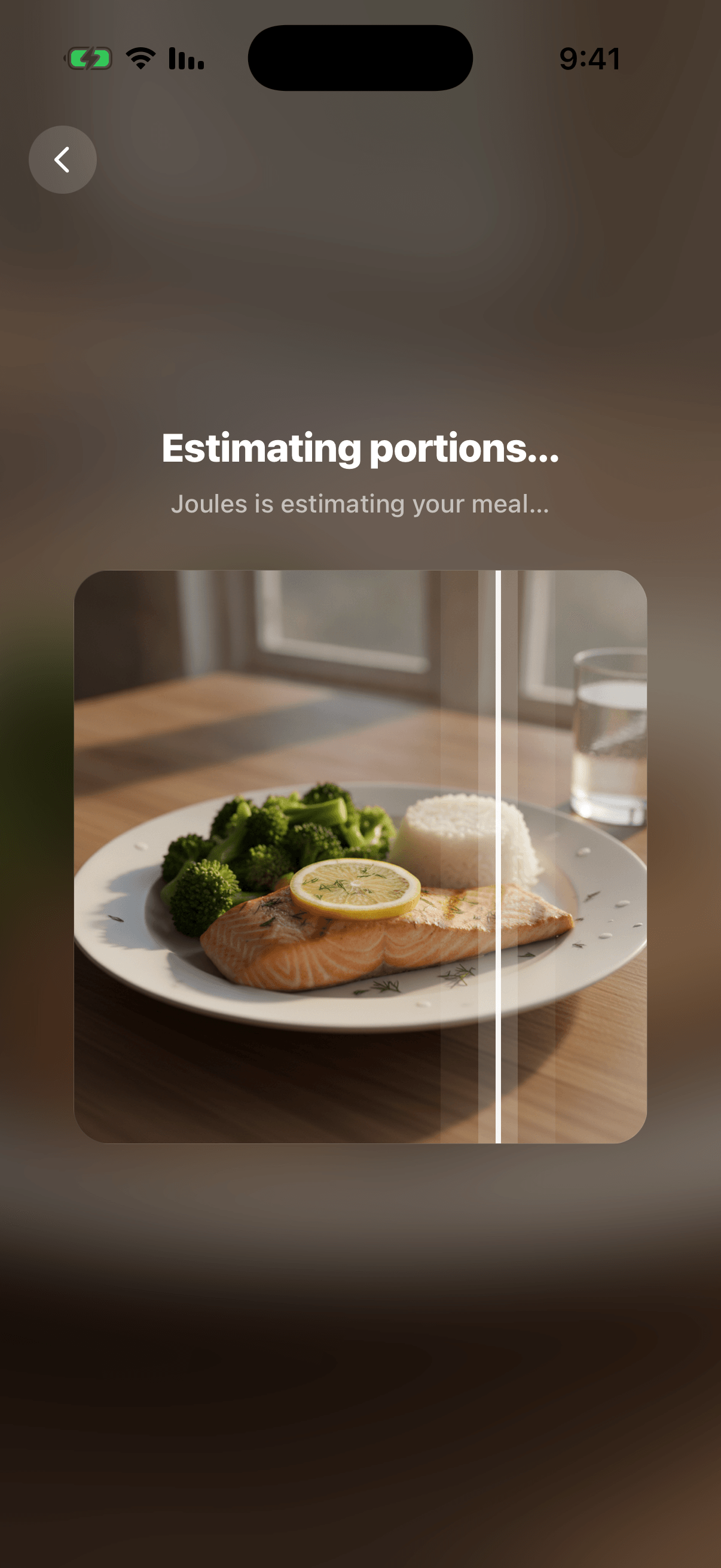
  • DI atpažįsta lėkštę iš nuotraukos ir užpildo kalorijas bei makroelementus
  • Skaičiai iš USDA FoodData Central, o ne iš vartotojų spėjimų
Jokių mokamos prieigos žaidimų
  • Brūkšninių kodų skenavimas nemokamas — neužrakintas už prenumeratos
  • Jokių reklamų, niekada
Viena rami programėlė, o ne trys
  • Kalorijų ir makroelementų registravimas su dienos sveikatos įvertinimu, kuris pats save paaiškina
  • Integruotas protarpinio badavimo laikmatis ir svorio stebėjimas

Dažniausiai užduodami klausimai

What are the best macros for weight loss?

A high-protein split works best for most people cutting weight: protein around 1.8 to 2.2 grams per kilogram of body weight, fat at about a quarter of calories, and carbohydrate filling the rest. The protein protects muscle while you eat at a deficit. This calculator uses 2.0 grams per kilogram.

How much protein should I eat to lose weight?

Research on dieting athletes points to roughly 1.8 to 2.2 grams of protein per kilogram of body weight to hold onto muscle in a deficit, higher than the 0.8 grams that covers basic health. A 75-kilogram person lands near 150 grams a day. You can check the number on its own with the protein calculator.

How big should my calorie deficit be?

A deficit of about 500 calories a day is the common middle ground, and it works out to roughly half a kilogram, or one pound, of fat a week, since a kilogram of fat holds about 7,700 calories. Milder cuts near 250 calories lose more slowly but are easier to hold; aggressive cuts near 750 lose faster with more muscle and energy risk. The calorie deficit calculator shows the same trade-off from the calorie side.

Do I have to cut carbs to lose weight?

No. Weight loss is driven by the calorie deficit, not by cutting any single macro. Carbs are kept at a workable level here so training stays fueled. If you prefer a very low-carb approach, the keto macro calculator sets those numbers instead.

Why is protein set so high on a cut?

Because a calorie deficit puts muscle at risk, and protein is the main defense. Eating close to 2 grams per kilogram, alongside resistance training, signals your body to keep lean tissue and burn fat instead. It also keeps you fuller, which makes the deficit easier to stick to.

How fast will I lose weight on these macros?

At a 500-calorie deficit, expect about half a kilogram, or one pound, a week on average, though the scale moves unevenly from water and food timing. Faster is not better; very low intake is floored at 1,200 calories a day here, and going lower is hard to do safely without medical guidance.

Susijusios skaičiuoklės

Pastaba dėl tikslumo: tokios skaičiuoklės pateikia apytikslius įverčius pagal populiacijos lygmens formules — tikrieji jūsų poreikiai priklauso nuo genetikos, raumenų masės, sveikatos būklės ir kitų veiksnių. Rezultatai skirti tik susipažinti ir nėra medicininė konsultacija, diagnozė ar gydymo paskyrimas. Prieš reikšmingai keisdami mitybą ar fizinį aktyvumą pasitarkite su gydytoju arba dietologu, ypač jei turite sveikatos sutrikimų, esate nėščia arba jums mažiau nei 18 metų.