Joules app iconJoules

Water Intake Calculator

A daily hydration target from your body weight and training time — in milliliters, liters, and cups.

Единицы
Your daily water target
3.0L/day

3,045 ml · about 13 cups of 240 ml

2,695 ml
Baseline (35 ml/kg)
350 ml
Exercise add-on
13
Cups (240 ml)

Hydration slips when nobody is counting — Joules logs water next to your meals so the running total is always in view.

Скачать Joules

How the target is calculated

The baseline is 35 ml of water per kilogram of body weight per day, a rule of thumb used in clinical dietetics for healthy adults (published guidance ranges from 30 to 40 ml/kg). On top of that, the calculator adds 350 ml per 30 minutes of exercise to cover typical sweat losses at moderate effort.

Worked example: a 70 kg person who trains 45 minutes gets 70 × 35 = 2,450 ml, plus about 525 ml for the session — roughly 3.0 liters. Remember this is total fluid, and food already supplies 20–30% of it for most people. The glasses you pour cover the rest.

About the 8-glasses rule

"Eight 8-ounce glasses" adds up to about 1.9 liters, and its origin is murkier than its fame. The usual citation is a 1945 US Food and Nutrition Board note suggesting about 2.5 liters a day — which, in the same sentence, said most of that already comes from food. The second half fell off somewhere in transmission, and a slogan was born.

The deeper problem is that one number cannot fit a 55 kg office worker in Oslo and a 95 kg builder in Dubai. Fluid needs scale with body size, sweat, and climate, which is what a weight-based formula at least tries to respect. Treat 8 glasses as a memorable average, and this calculator's output as a starting estimate — a planning number, not a medical requirement.

Urine color beats any formula

Your body publishes its own hydration report several times a day. Pale straw-colored urine means you are fine; darker amber means drink more; completely clear all day usually means more than you need. This feedback loop beats any formula, because it already accounts for your food, your climate, and this afternoon's workout. Use the number above to plan, and urine color plus thirst to adjust. (One caveat: B vitamins and some medications tint urine bright yellow regardless.)

When you need more than the formula says

Heat and humidity raise sweat losses well past the standard add-on, and so does altitude above roughly 2,500 m. Fever, vomiting, or diarrhea drain fluid quickly. Pregnancy and breastfeeding raise needs too — around 300 and 700 ml extra per day respectively in common guidance. In those situations, and especially with heart or kidney conditions where fluid can need capping rather than raising, get a target from a clinician instead of a calculator. For everyone else: if you sweat more (the calories burned calculator gives a sense of session effort), drink more.

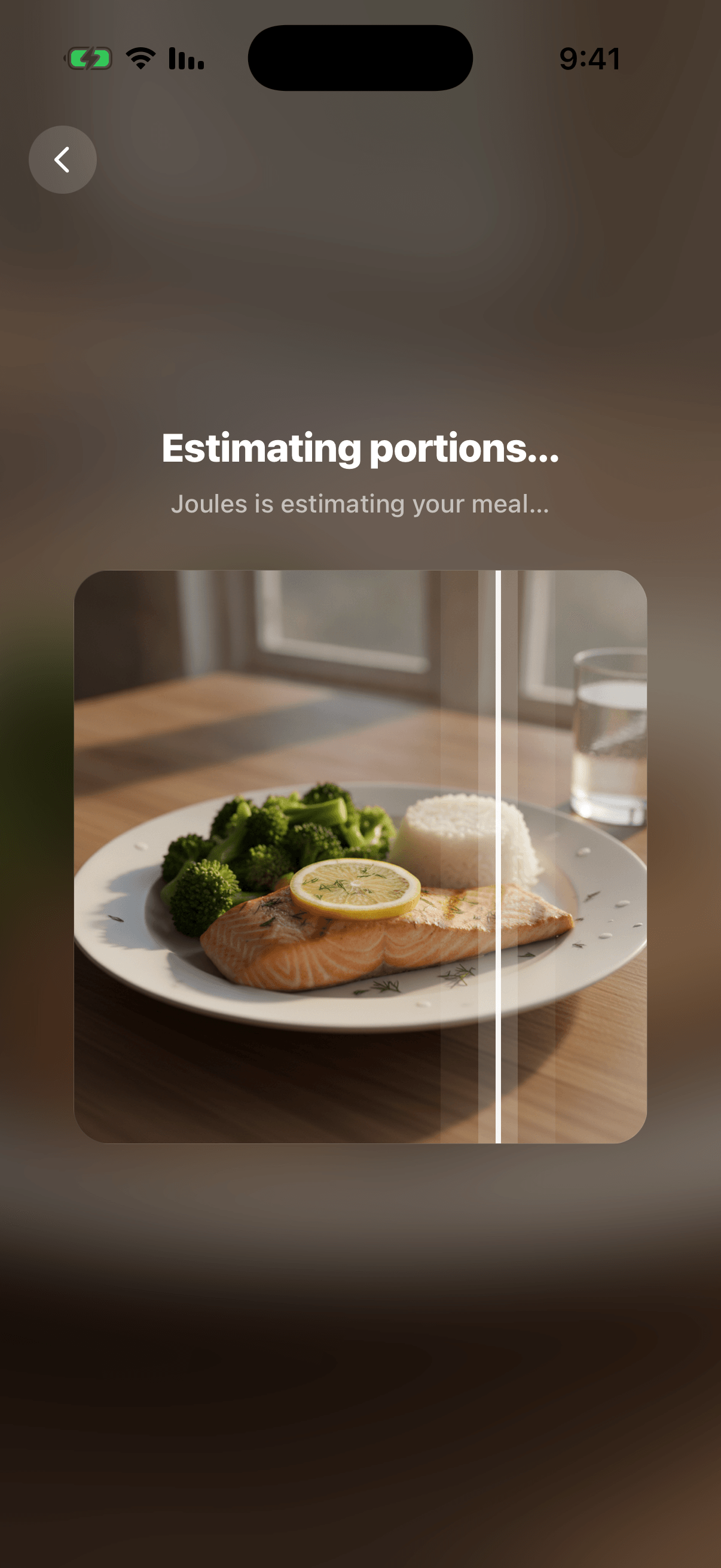
Joules AI food scan
Трекер, созданный быть самым точным

Всё, что умеют MyFitnessPal, Cal AI и Noom — в одном спокойном приложении

Создано для точности
  • ИИ распознаёт блюдо по фото и заполняет калории и БЖУ
  • Цифры — из USDA FoodData Central, а не из догадок пользователей
Без игр с платным доступом
  • Сканирование штрихкодов бесплатно — не спрятано за подпиской
  • Никакой рекламы, никогда
Одно спокойное приложение, а не три
  • Учёт калорий и БЖУ с ежедневной оценкой здоровья, которая объясняет сама себя
  • Встроенные таймер интервального голодания и контроль веса

Частые вопросы

Does coffee count toward my water intake?

Yes. Caffeine is a mild diuretic, but the water in a coffee or tea outweighs the extra loss, so both hydrate on net. Controlled studies have found no meaningful hydration difference between moderate coffee drinkers and water drinkers. Alcohol is the exception that genuinely dehydrates.

Does food count toward the target?

Yes, and substantially. Roughly 20–30% of daily fluid comes from food for most people — more if you eat a lot of fruit, vegetables, or soup. Formula targets like this one describe total intake, so a produce-heavy day genuinely needs fewer glasses.

Can you drink too much water?

Yes. Drinking far beyond thirst — especially during long endurance events — can dilute blood sodium into hyponatremia, which is dangerous. Cases almost always involve several liters over a few hours while sweating out salt. Steady drinking through a normal day carries essentially no such risk.

Is 8 glasses of water a day enough?

For a smaller, sedentary person in a mild climate, 8 glasses (about 1.9 liters) is close to right. For a 90 kg person, or anyone training or in heat, it runs short against the 35 ml/kg baseline. It is a slogan that happens to land near the average — not a rule.

Should I drink before I feel thirsty?

For most healthy adults, thirst is a reliable guide and drinking to it works fine. Two groups should not wait: older adults, whose thirst signal weakens with age, and athletes in long or hot sessions, where thirst lags behind sweat loss.

Does drinking water help with weight loss?

Modestly. Water before meals adds fullness — in one 12-week trial, adults who drank 500 ml before each meal lost about 1.3 kg more than controls. The bigger effect comes from replacing sugary drinks, which removes calories outright. Your calorie target does the heavy lifting; water assists.

Похожие калькуляторы

О точности: подобные калькуляторы дают оценку по усреднённым формулам — реальные потребности зависят от генетики, мышечной массы, состояния здоровья и многого другого. Результаты носят справочный характер и не являются медицинской рекомендацией, диагнозом или назначением. Прежде чем существенно менять питание или тренировки, посоветуйтесь с врачом или диетологом — особенно если у вас есть заболевания, вы беременны или вам меньше 18 лет.